

How James Ferragamo started with child labor at seven and now leads a luxury company in crisis
At seven years old, James Ferragamo got his first job at the family manufactory. His mother brought the twins to the factory to pack shoes into boxes. The result was predictable: "Customers received two right shoes and two left shoes," recalls the now 53-year-old, laughing. He calls it his "child labor" phase.
Today, that same man stands at the helm of a luxury conglomerate searching for a new path after two years of declining sales. The CEO has departed, Reuters reports "tensions" with the founding family. While competitors embrace automation and standardization, James Ferragamo explains foot anatomy.
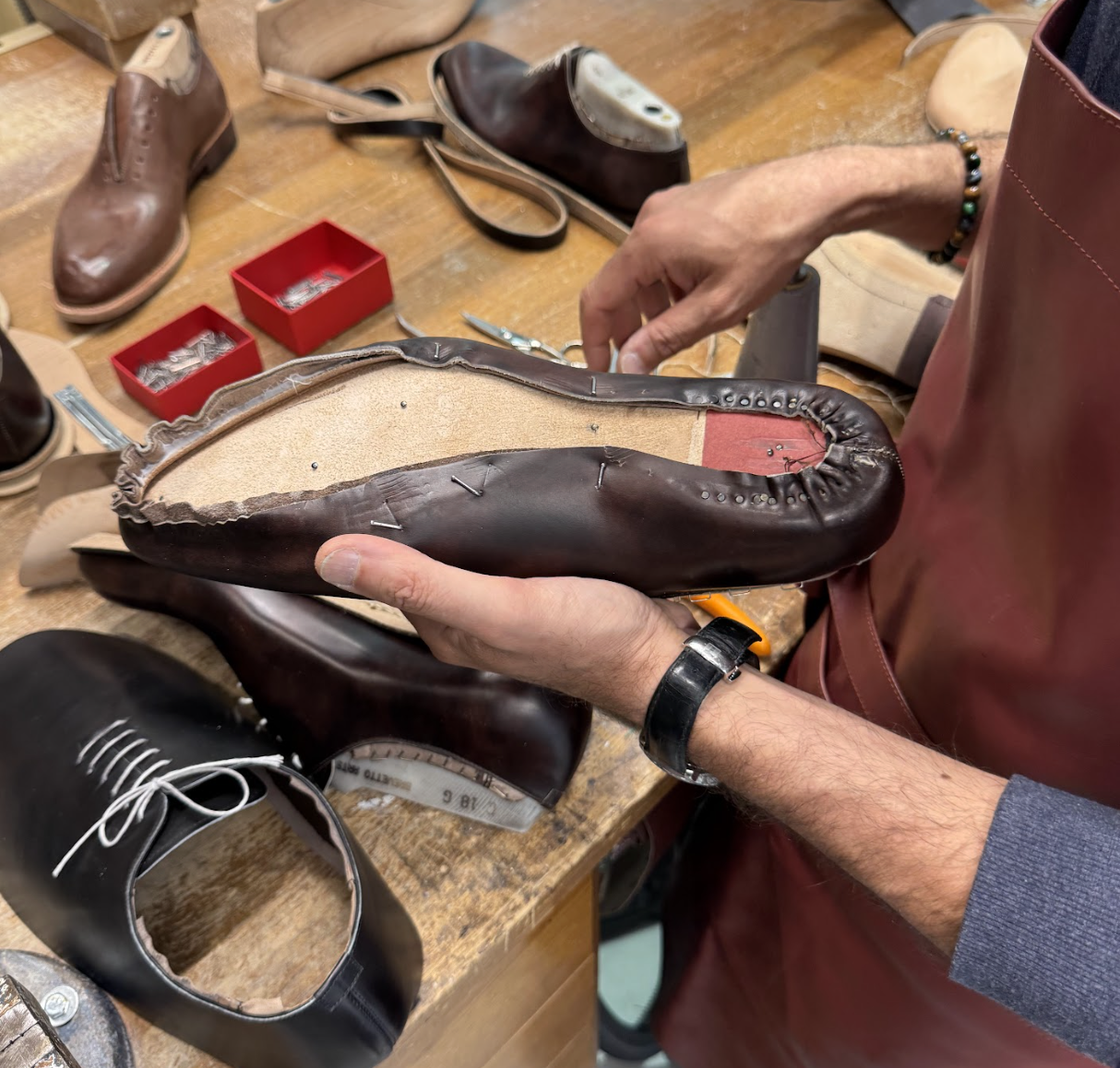
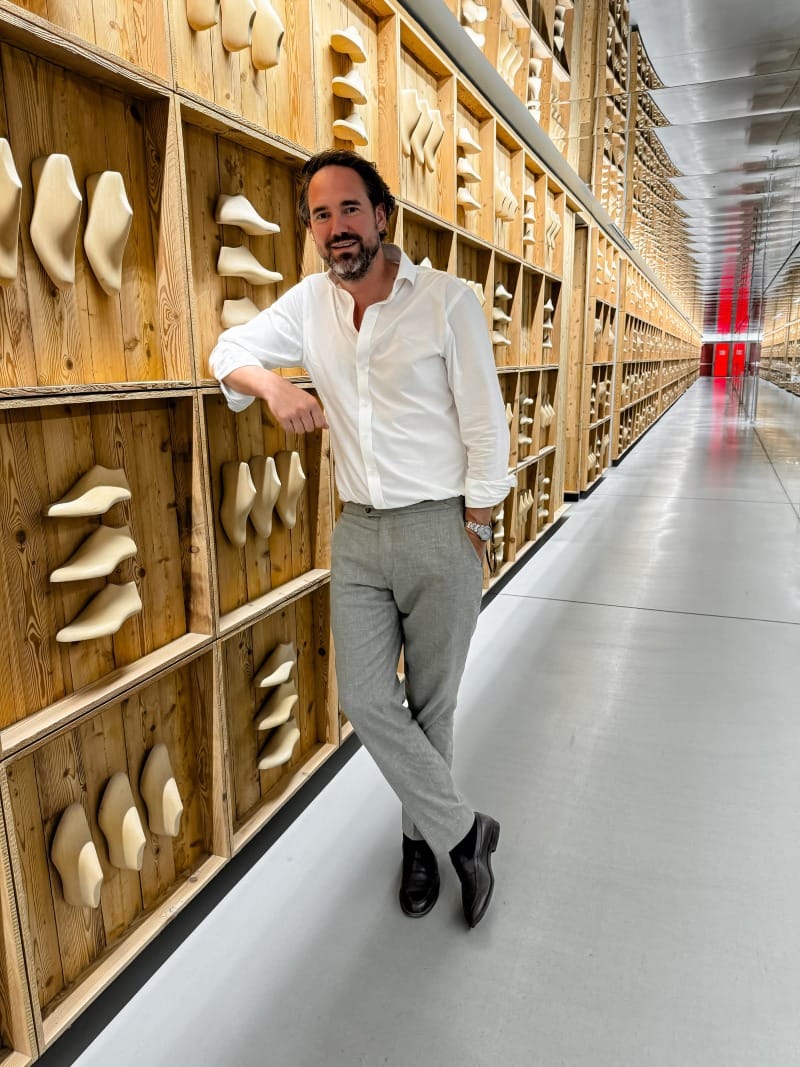
"The American foot is flatter, like a figure skating blade," he says in the ultra-modern production facility in Sesto Fiorentino. "The European foot is more arched, forms a triangle." This distinction, which his grandfather Salvatore discovered through anatomical studies in the 1920s, still determines production today. Ferragamo manufactures the same models in different widths for different markets—complex, expensive, but for James Ferragamo, without alternative.
A glass walkway leads over the entire production line. Two hundred production steps, the smell of tanned leather and heated last polish—a scent that accompanied James through his childhood. At 13, he ventured onto the production line. For his Italian grandmother Dodo, he crafted sandals; for his English grandmother Margaret, Vara pumps with their characteristic bow. "She never wore them, kept them on the mantelpiece."
The other grandmother became his most important inspiration. Wanda Ferragamo took over the company in 1960 as a 38-year-old widow with six children, transforming the shoe manufactory into a global conglomerate. "She was courageous—she sat down at her deceased husband's desk and said: 'I'm going to make this work.'"
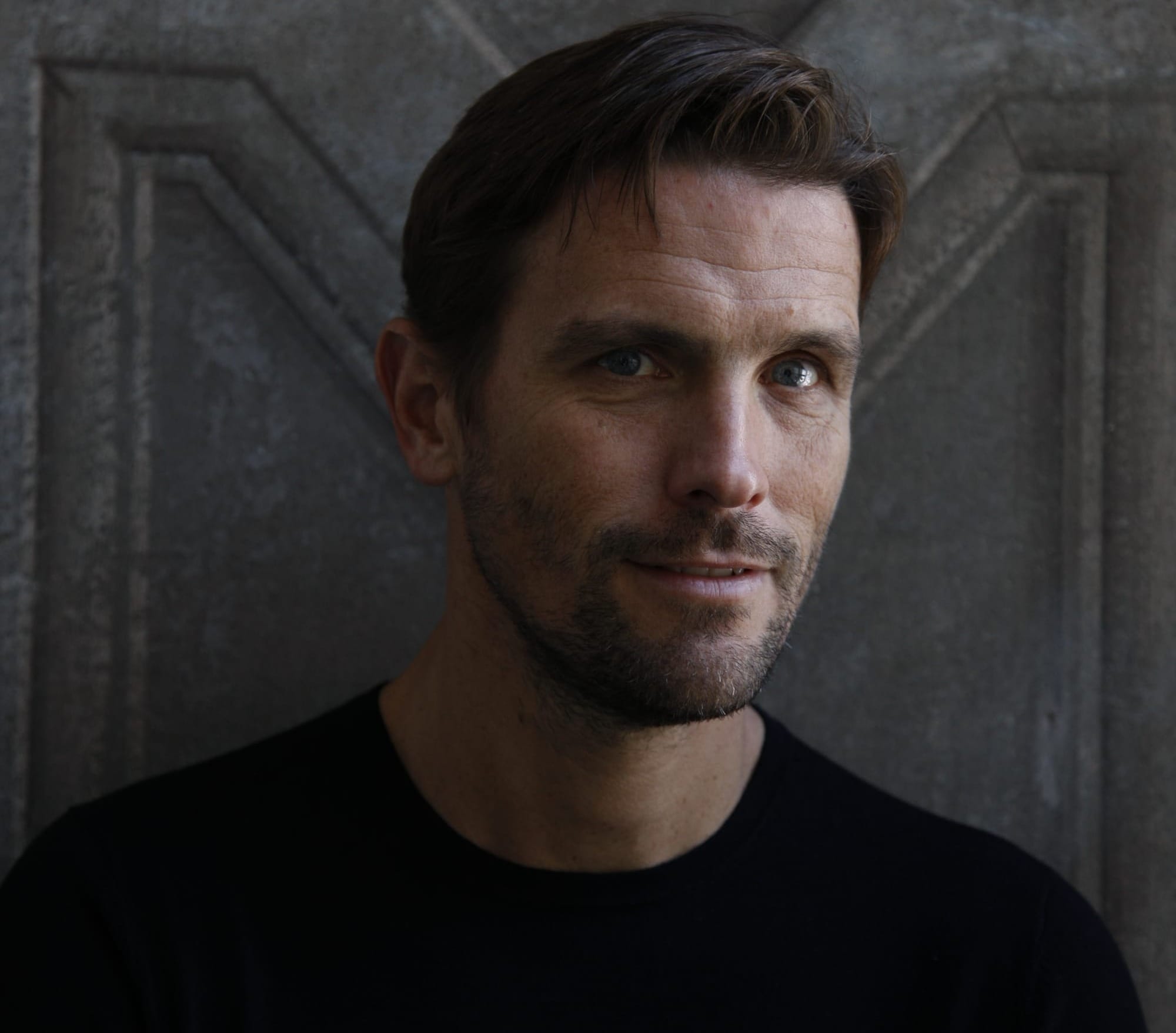
James's path led through an English boarding school to New York. In 1991, he worked as a salesman at the opening of the Ferragamo store on Rodeo Drive in Beverly Hills. After an MBA, he briefly ventured into banking—an episode that ended quickly. "It was nerve-wracking. There was no product involved, just numbers," he says. In 1998, he returned. Not from nostalgia, but from passion.
Today, as Chief Transformation Officer, he faces the challenge of modernizing a traditional company without losing its DNA. A family rule limits operational power: only three members of the third generation may work in the company simultaneously. "Management thinks you're only there because you're family," James says of the daily challenge.
In the production hall, an employee takes a prototype and bends it. "The foot bends," James explains. "If the sole doesn't bend, it needs a profile to roll." Then he becomes a teacher: shoes need rest between wearings, proper cleaning, a good cobbler. "Even the Tramezza construction can be completely renewed. The shoe can begin a new life."
Sustainability isn't a marketing strategy for him, but family tradition. His grandfather crafted shoes from cork, raffia, and wood during World War II—making virtue of necessity. The company aims to reduce its climate emissions by 42 percent by 2030.
In an age when algorithms analyze consumer behavior, Ferragamo bets on anatomy. It may seem old-fashioned. But while fashions change, feet remain the same—at least in their regional characteristics. Salvatore Ferragamo discovered them a century ago. His grandson, who once packed shoes incorrectly, defends them today as a business model.


